Maintenance Fundamentals
Essential principles for effective bicycle care
Regular Maintenance Benefits
Consistent maintenance helps preserve component function and extends service life. Regular cleaning and lubrication reduce wear on moving parts and maintain optimal performance.
Eco-conscious maintenance practices ensure that your bicycle care routine supports both equipment longevity and environmental responsibility.
Maintenance Schedule
Maintenance frequency depends on riding conditions, weather exposure, and mileage. More frequent attention may be needed after wet or muddy rides.

Cleaning Procedures
Step-by-step cleaning methodology
Preparation
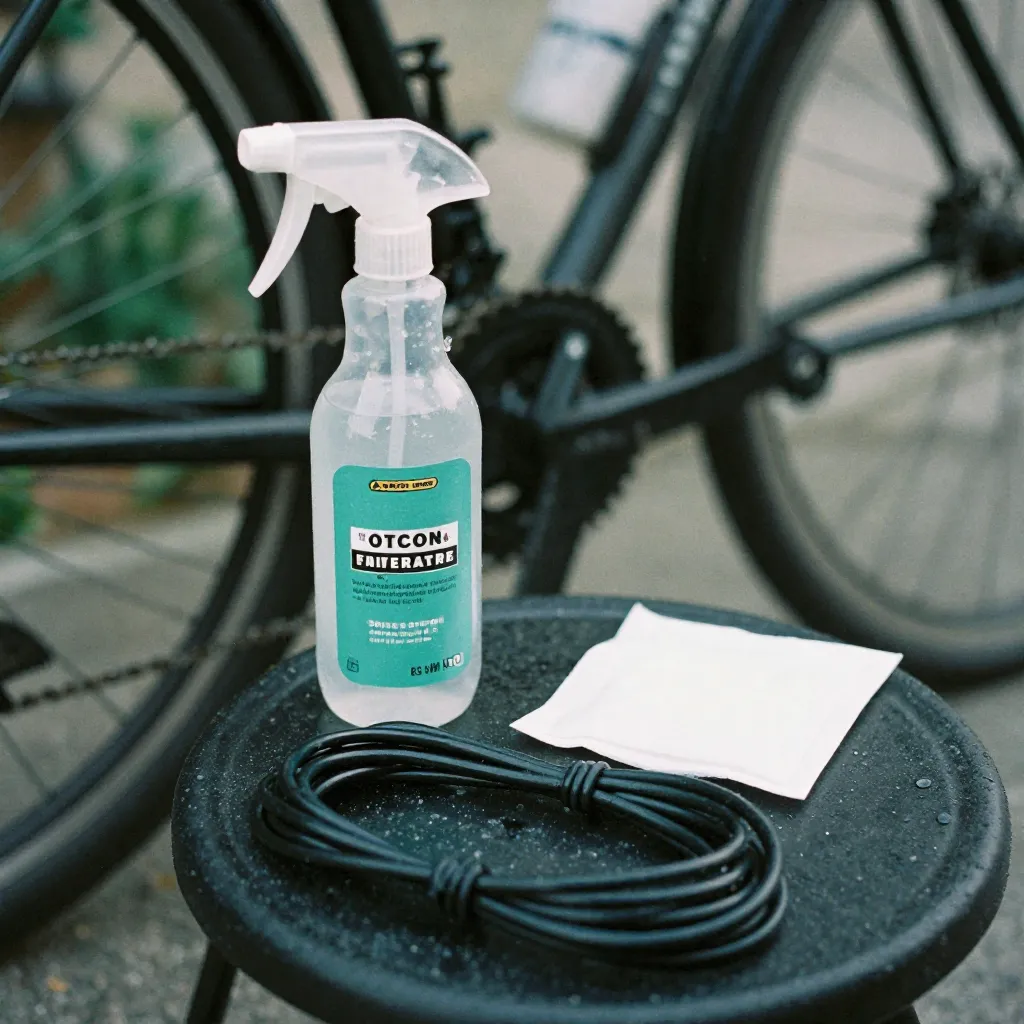
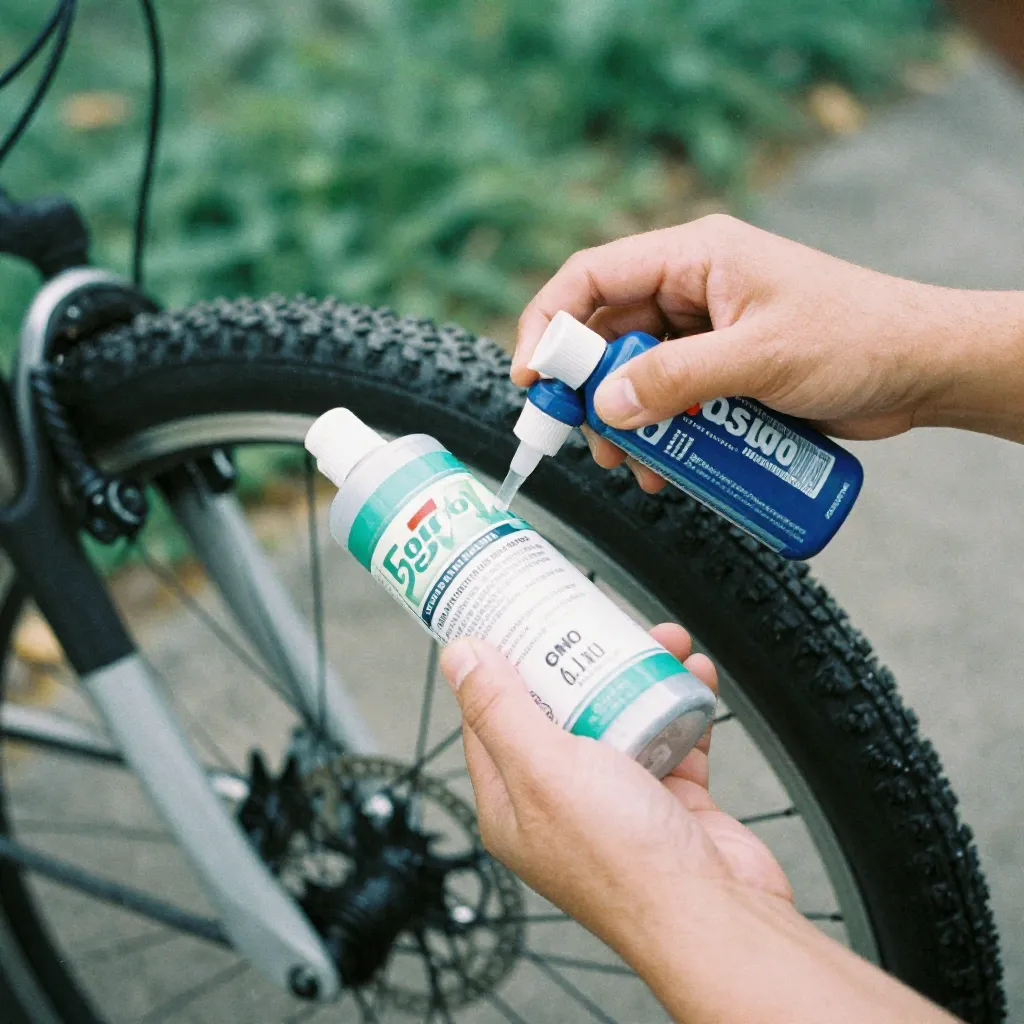
Gather necessary cleaning supplies including biodegradable degreaser, brushes, and clean water. Work in a well-ventilated area with appropriate surface protection.
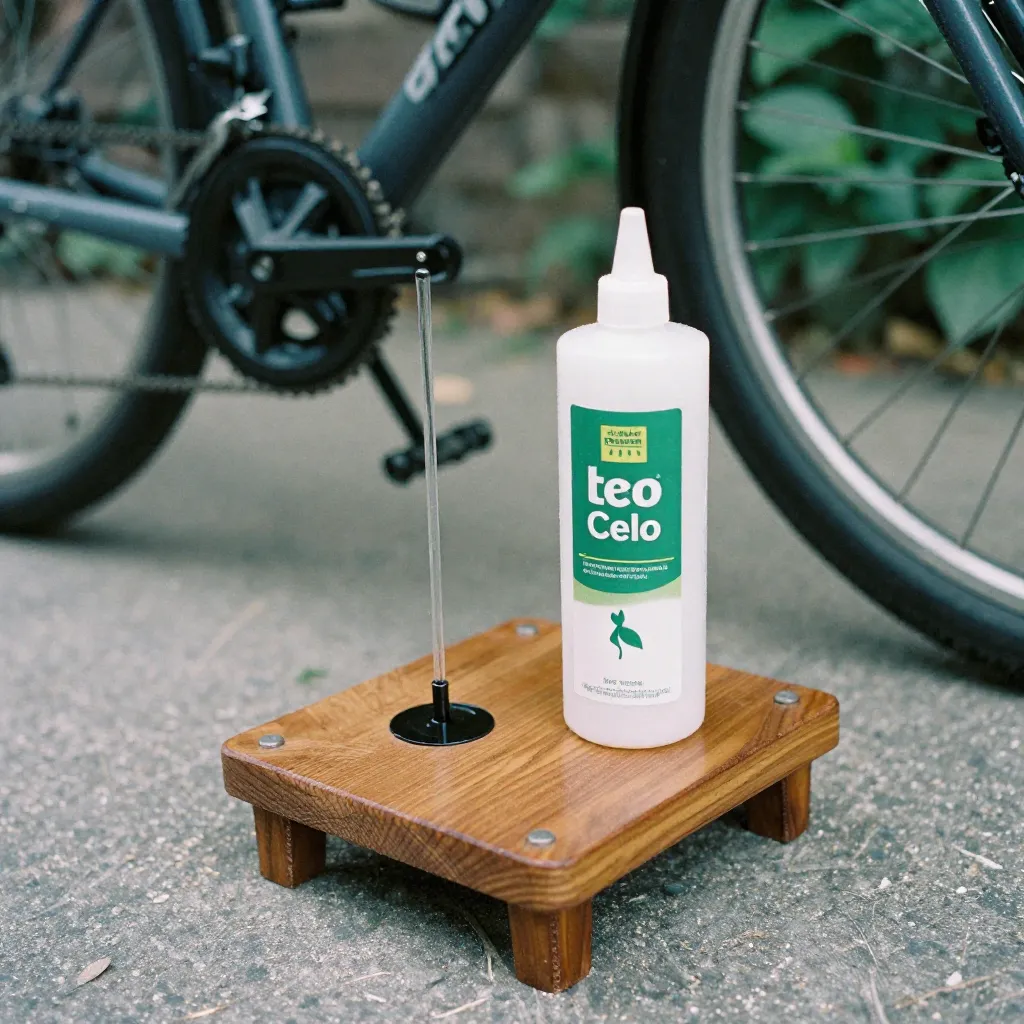
Degreasing
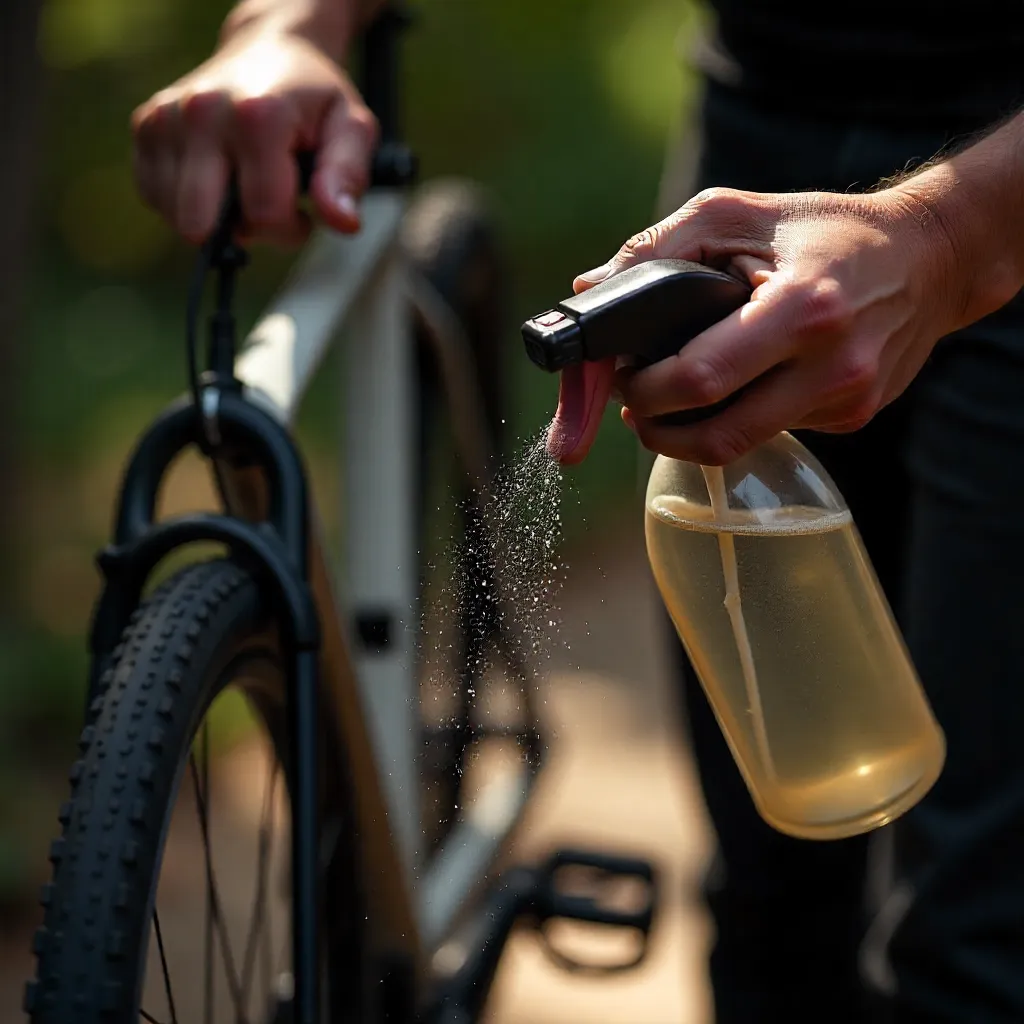
Apply eco-friendly degreaser to drivetrain components. Allow it to work for the recommended time, then scrub with appropriate brushes to remove accumulated grime.
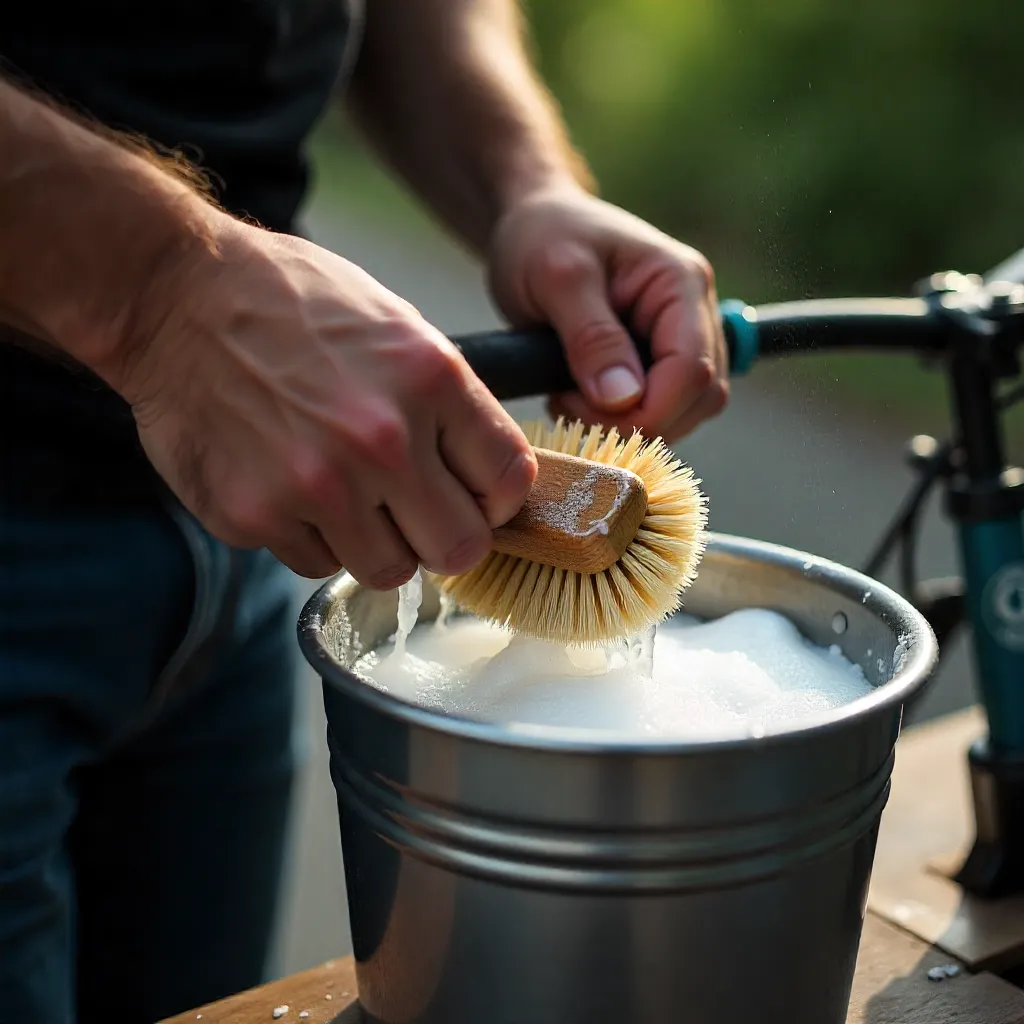
Rinsing and Drying
Rinse components thoroughly with clean water, using minimal water volume. Allow components to dry completely before applying lubricant to ensure proper adhesion.
Lubrication Methods
Proper application for optimal performance
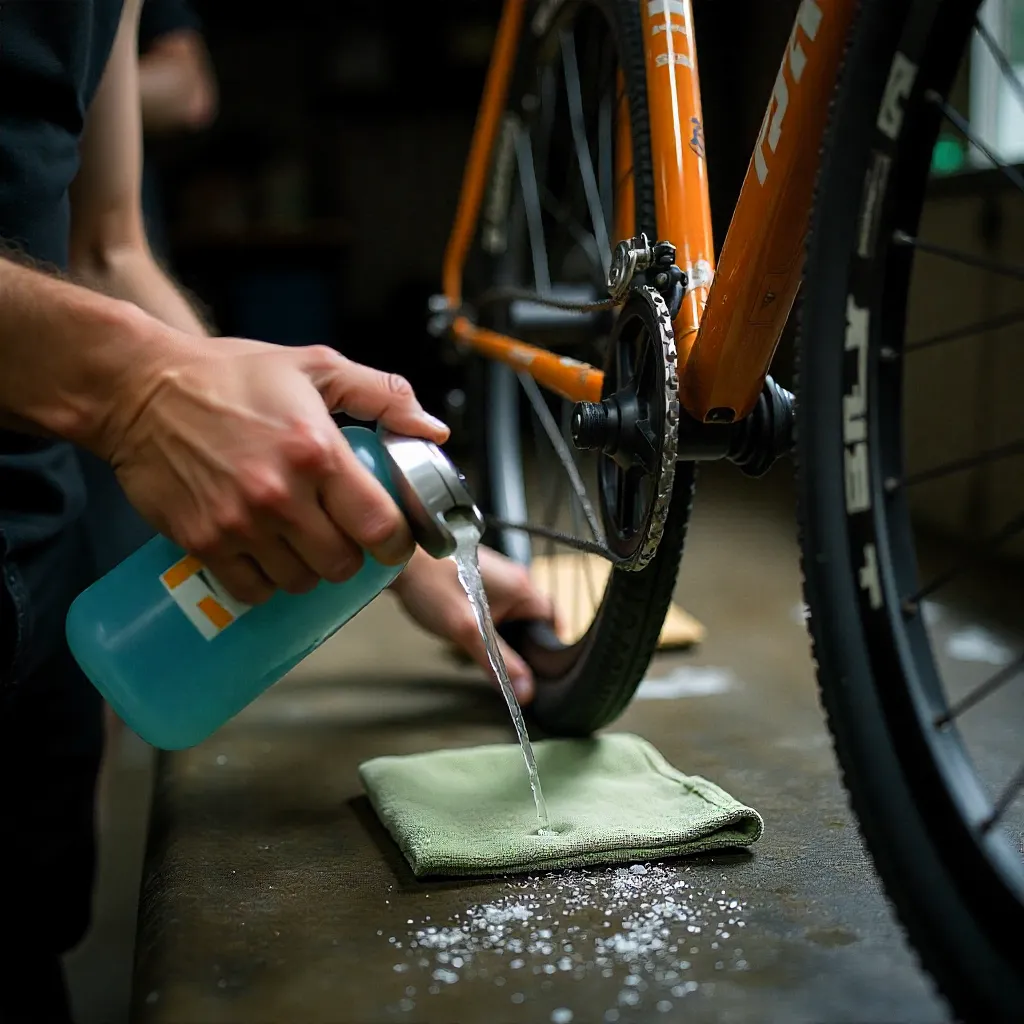
Chain Lubrication
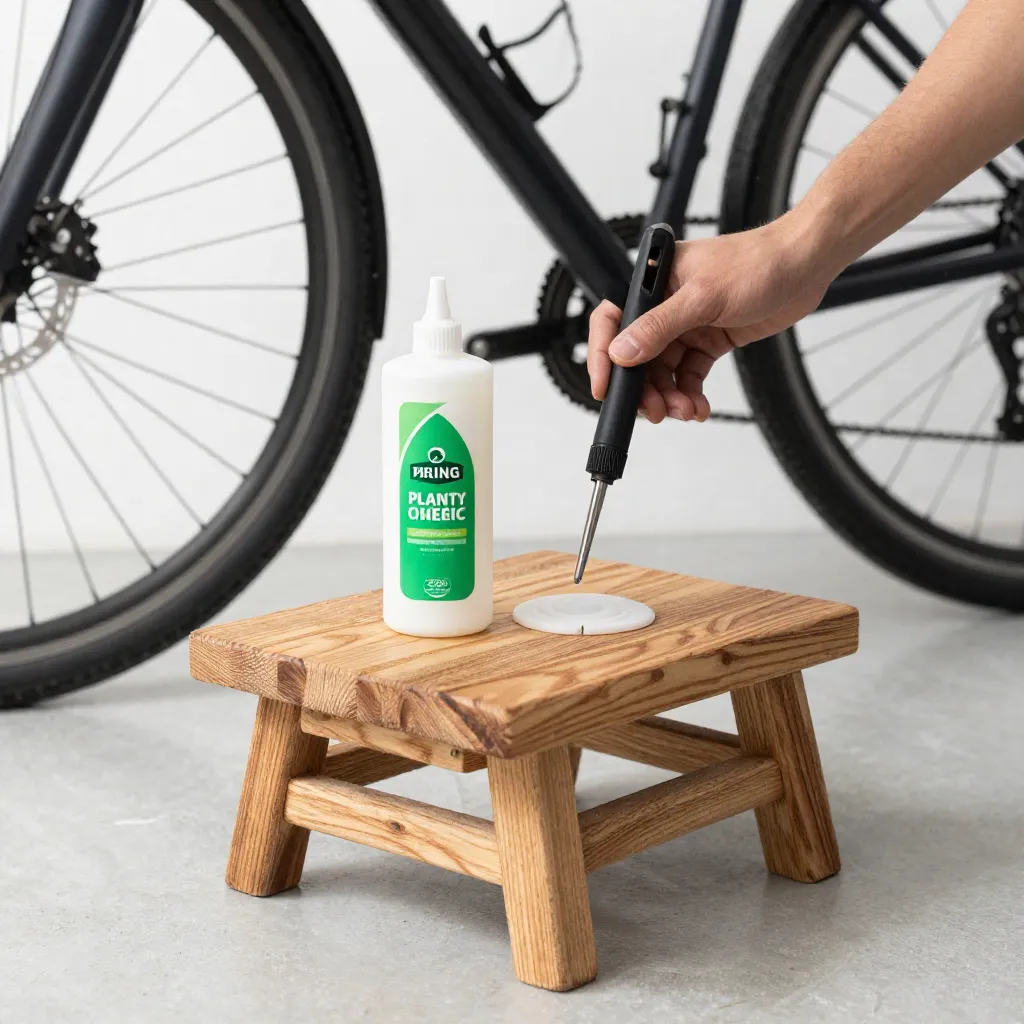
Apply lubricant to each chain link while slowly rotating the pedals backward. Focus on the inner surfaces where chain links articulate. Use appropriate amount to avoid excess buildup.
Derailleur Maintenance
Apply small amounts of lubricant to derailleur pivot points and cable housings. Ensure smooth movement without excessive lubricant that could attract dirt.
Excess Removal
After application, wipe away excess lubricant with a clean cloth. This prevents dirt accumulation while maintaining proper lubrication of moving parts.
Component Care Guidelines
Specific maintenance for different bicycle components
Drivetrain Components
Chains, cassettes, and chainrings require regular cleaning and lubrication. Frequency depends on riding conditions, with more attention needed in wet or dusty environments.
Brake Systems
Keep brake surfaces clean and free from lubricant contamination. Check brake pad wear regularly and maintain proper cable tension for optimal braking performance.
Bearing Systems
Sealed bearings typically require less frequent maintenance. Check for smooth rotation and replace if excessive play or roughness is detected.
Environmental Best Practices
Maintaining your bicycle while protecting the environment
Water Conservation
Use minimal water during cleaning by applying cleaning solutions directly to components rather than using high-pressure washing. Collect and properly dispose of cleaning runoff.
Product Selection
Choose biodegradable cleaning and lubrication products that break down naturally without introducing harmful substances into water systems or soil.
Waste Management
Dispose of used cleaning materials and product containers according to local regulations. Recycle containers when possible to minimize environmental impact.